
Start writing here...
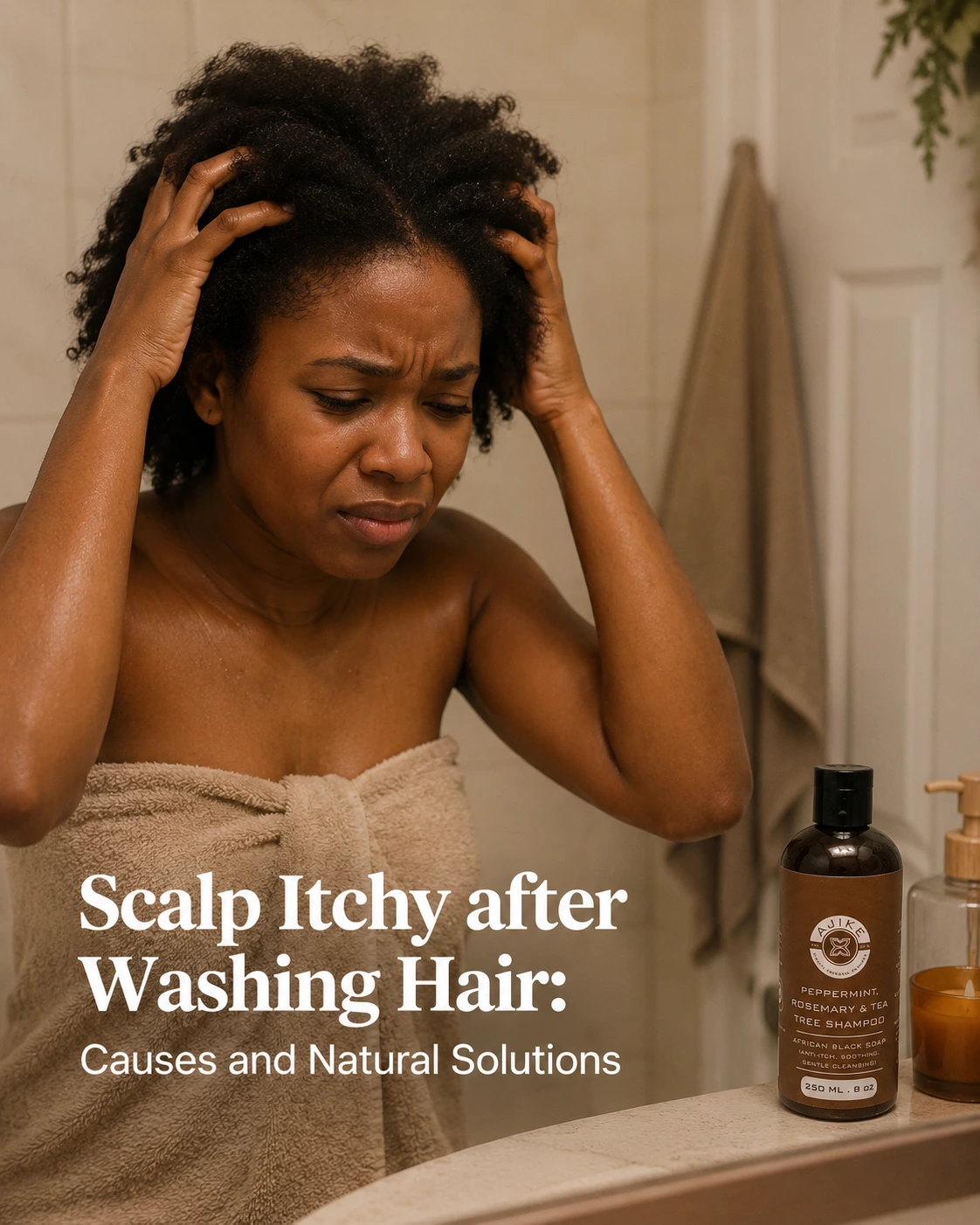
You wash your hair, expecting to feel clean and refreshed, and within minutes your scalp is itching more than it did before you got in the shower. Or you go to bed with a calm scalp and wake up scratching. It is one of the more frustrating skincare experiences there is, partly because the wash is supposed to fix things, not make them worse.
The good news is that post-wash scalp itch almost always has an identifiable cause, and most of the time that cause is something in your washing routine rather than a chronic medical condition. This guide goes through every likely cause, how to tell them apart, and what to do about each one.
Read: Natural Hair Care with African Botanicals — Complete Guide →
First, Understand What Is Actually Causing the Itch
The Scalp Is Skin - and It Reacts Like Skin
The scalp is often treated as its own separate category of skin, different from facial skin or body skin. In terms of sensitivity, reactivity, and response to products, the scalp behaves exactly like skin. It has a natural acidic pH that protects it from microbial overgrowth. It has sebaceous glands that produce oil for protection. It has an acid mantle that can be disrupted by alkaline products. And it reacts to irritants and allergens the same way the skin on your face or arms does.
The difference is that the scalp has hair, which makes it harder to reach, harder to rinse thoroughly, and much more likely to accumulate product residue over time. It also means that whatever you put on the hair ends up in contact with the scalp, so every hair product is also a scalp product, even when it is not marketed as one.
Why Itching Happens Immediately After Washing vs Hours Later
Immediate post-wash itching, starting during the wash or within minutes of rinsing, usually indicates a direct reaction to something in the shampoo: an irritating surfactant, a synthetic fragrance, or a preservative that the scalp skin is reacting to acutely. The itch begins as soon as the offending ingredient makes contact.
Delayed itching that begins hours after washing, or the next morning, is more often caused by a different mechanism. Hard water mineral deposits left after rinsing, residue from styling products that traps under shampoo but then settles on the scalp as it dries, the scalp overproducing oil in response to being stripped by a harsh shampoo (rebound sebum that creates an environment for Malassezia), or product buildup from the styling products applied after washing all fall into this delayed category.
Acute Reaction vs Chronic Scalp Itching: How to Tell the Difference
An acute reaction is a new response to a new product, a specific ingredient encounter, or a sudden change in your routine. It tends to be more intense, appears more quickly, and resolves when the trigger is removed. Acute scalp reactions often also involve redness, a burning or stinging sensation, or visible scalp irritation alongside the itch.
Chronic scalp itching is persistent, present across multiple washes regardless of the specific products used, and may be associated with specific recurring conditions like seborrhoeic dermatitis, scalp psoriasis, or a consistently poor washing technique that repeatedly disrupts the scalp's natural balance. Chronic itch rarely resolves simply by switching shampoos and may require a more systematic approach.
Why Natural and Textured Hair Makes This Problem More Common
Natural and textured hair is washed less frequently than straight hair, which means products remain in contact with the scalp for longer between washes. The coil structure of natural hair makes product residue harder to rinse out thoroughly. Many natural hair products, including heavy butters and oils designed for moisture retention, can create a layer on the scalp that traps sweat, dead skin cells, and Malassezia yeast in a warm, airless environment.
Additionally, natural hair communities have historically used commercial products that were not formulated for their hair type, including harsh surfactant systems from brands that did not design their formulas with the needs of kinky and coily hair in mind. The itch-rewash cycle, where harsh shampoo triggers itch, leading to more frequent washing, which causes more stripping, which creates more itch, is particularly common in natural hair care.
The Most Likely Cause: Your Shampoo
Sodium Lauryl Sulfate: The Most Common Culprit
Sodium lauryl sulfate (SLS) is the most aggressive commonly used surfactant in hair care. Its molecular structure allows it to penetrate the scalp's lipid barrier and strip natural oils far more effectively than milder alternatives. It creates a heavy lather that consumers associate with effective cleaning, but the cleaning mechanism damages the scalp's protective acid mantle with every wash.
The reaction sequence: SLS strips the acid mantle and natural scalp oils, the scalp's protective environment is disrupted, the nerve endings in the now-exposed scalp skin are more sensitised, and the subsequent rebound oil production creates conditions for microbial overgrowth that produces histamine-triggering compounds. The result is an itchy scalp that gets worse the more you try to clean it with the same product.
How SLS Strips the Scalp's Acid Mantle and Triggers Itch
The scalp's acid mantle is a thin, slightly acidic film with a pH of approximately 4.5 to 5.5 that forms on the skin surface from the combination of sebum, sweat, and the natural microbiome's metabolic activity. This acidic environment inhibits the growth of harmful bacteria and Malassezia yeast, supports the enzymatic processes involved in skin barrier renewal, and reduces the sensitivity of scalp nerve endings.
SLS has a pH of approximately 9 to 10. Applied to the scalp, it temporarily raises the scalp's pH significantly above its natural range, effectively disrupting the acid mantle and the protective environment it maintains. With daily or frequent use of SLS-containing shampoos, the acid mantle does not have time to fully recover between washes, leading to a persistently disrupted scalp environment that is prone to itching, irritation, and microbial overgrowth.
Synthetic Fragrances in Shampoo: The Second Biggest Trigger
Synthetic fragrance is the most common contact allergen in cosmetic products and is the second most frequent cause of scalp shampoo reactions after sulfates. A product listed as 'fragranced' may contain anywhere from a handful to several hundred individual chemical compounds, many of which are established sensitisers.
The reaction to synthetic fragrance on the scalp can be either irritant (direct chemical irritation that occurs without prior sensitisation) or allergic (an immune response that requires prior exposure to the fragrance and intensifies with subsequent exposures). Both produce scalp itching. The allergic type tends to worsen with continued exposure and can become a long-term sensitivity that makes fragrance a permanent avoidance.
Preservatives That Commonly Cause Scalp Reactions
Methylisothiazolinone (MI) and methylchloroisothiazolinone (MCI) are preservatives used in shampoos and conditioners that became notorious in the 2010s for causing widespread contact dermatitis. Their use in rinse-off products was subsequently restricted in many markets, but they remain present in some formulations. Parabens, while less acutely reactive, are also worth checking for if you have scalp sensitivity.
The scalp's increased sensitivity after a sulfate wash makes it more susceptible to preservative reactions: the compromised barrier allows preservative molecules to penetrate more deeply into the skin, increasing the likelihood of a sensitisation reaction developing.
Silicone Buildup: When the Product You Used Last Week Is the Problem Today
Silicones accumulate on the hair and scalp over time, building up a waterproof coating that prevents both moisture and air from reaching the scalp surface. This buildup is invisible to the naked eye until it reaches significant levels. When you wash silicone-laden hair, the water and shampoo have to penetrate through this buildup layer before reaching the scalp, which means the scalp may not be as thoroughly cleansed as it appears.
The buildup itself can create scalp itching by trapping sebum, dead skin cells, and microorganisms beneath it, creating an irritating environment that worsens after washing because the warm, wet conditions of shampooing temporarily activate the trapped material. The solution is a clarifying wash to remove the silicone buildup, followed by switching to a silicone-free routine.
How to Tell If Your Shampoo Is Causing the Itch
The clearest sign that your shampoo is the cause is that the itch begins during or immediately after shampooing, before the hair is even styled. Another reliable indicator is that the itch appeared when you introduced a new shampoo or switched between products. Check the ingredient list of your current shampoo for sodium lauryl sulfate, sodium laureth sulfate, synthetic fragrance (parfum or fragrance in the ingredient list), methylisothiazolinone or methylchloroisothiazolinone, and silicones.
Switching to a sulfate-free, fragrance-free, MI-free shampoo and monitoring for 2 to 3 wash cycles is the most reliable way to confirm whether the shampoo is the cause.
Dandruff vs Dry Scalp: Why the Distinction Matters
Feature | Dandruff | Dry Scalp |
Cause | Malassezia yeast overgrowth | Insufficient scalp moisture/lipids |
Flake size | Larger, oily or yellowish | Smaller, dry and white |
Scalp feel | Oily scalp, greasy flakes | Tight, dry, sometimes flaking |
Itch timing | Before and after washing | Often worse after washing |
Solution | Antifungal treatment (tea tree, ketoconazole) | Moisture and barrier repair (baobab oil) |
What Dandruff Actually Is and What Causes It
Dandruff, also known as seborrhoeic dermatitis when more severe, is caused by the overgrowth of Malassezia globosa, a yeast that naturally lives on everyone's scalp. Under normal conditions, Malassezia is part of the healthy scalp microbiome. When certain conditions, including high sebum production, a disrupted acid mantle, or an immune response to Malassezia metabolites, allow it to overgrow, it produces oleic acid as a metabolic byproduct that irritates the scalp and triggers an accelerated skin cell turnover response.
The accelerated cell turnover produces the characteristic flakes of dandruff, as new skin cells are pushed to the surface and shed before they have dried out and separated normally. The result is visible clusters of skin cells rather than the invisible individual cell shedding that occurs in a healthy scalp.
What Dry Scalp Is and How It Differs from Dandruff
Dry scalp is the scalp equivalent of dry skin elsewhere on the body: the sebaceous glands produce insufficient oil, or the scalp barrier is compromised, leading to moisture loss and the tightness and flaking that accompany dryness. It is not fungal in origin and does not respond to antifungal treatments.
Dry scalp is often made worse by exactly the treatments recommended for dandruff: harsh antifungal shampoos that strip what little oil the dry scalp is producing. This is why correctly identifying which condition you have is important before choosing a treatment approach.
How to Tell the Difference by Looking at the Flakes
Dandruff flakes are typically larger, with an oily or yellowish quality, and tend to clump together and stick to the hair rather than falling freely. They may have a waxy texture. The scalp beneath dandruff tends to feel oily rather than dry. Dandruff often smells slightly musty due to the Malassezia metabolic activity.
Dry scalp flakes are smaller and drier, appearing white or grey and falling freely from the scalp like powdery dust. The scalp itself feels tight and dry rather than greasy. There is no musty smell. The flaking may worsen significantly after washing or in cold, dry weather.
Why Dandruff and Dry Scalp Require Different Solutions
Dandruff requires antifungal treatment to address the Malassezia overgrowth, combined with a shampoo pH that supports the acid mantle's ability to control yeast. Tea tree oil's terpinen-4-ol content, peppermint's antimicrobial properties, and the natural alkalinity of African black soap that creates an inhospitable environment for Malassezia all address dandruff at the fungal level.
Dry scalp requires moisture and barrier repair: baobab oil applied to the scalp between washes, switching to a gentler shampoo that does not strip the already-limited scalp oils, and reducing washing frequency. Adding antifungal treatments to a dry scalp will strip it further without addressing the actual cause.
Dandruff vs Dry Scalp on Natural and Textured Hair
Natural hair makes the distinction harder to assess visually because the texture of the hair itself makes flakes less visible against the scalp. A build-up test can help: wet a small section of hair and part it to examine the scalp closely under good light. Oily scalp with visible flaking in the roots is more likely dandruff. A tight, dry-feeling scalp with small powdery flakes is more likely dry scalp.
For natural hair in protective styles like braids or twists, both conditions can worsen significantly because the scalp is less accessible for cleansing and the warm, covered environment encourages both microbial growth (dandruff) and moisture loss through the covered skin (dry scalp).
Other Common Causes of Post-Wash Scalp Itch
Hard Water: The Cause Nobody Talks About
Hard water contains elevated concentrations of calcium and magnesium ions. When hard water is used to wash hair and scalp, these mineral ions combine with the fatty acids in shampoo to form insoluble calcium and magnesium salts, often called soap scum. These deposits can remain on the scalp surface after rinsing, creating a dry, irritating mineral film that causes itching, dullness, and scalp sensitivity.
Hard water also interferes with the acid mantle by temporarily raising the scalp's pH, similarly to the effect of alkaline shampoos. If you have recently moved, started using a different water source, or have consistently hard water in your area, hard water may be contributing to post-wash scalp itch even if your shampoo is genuinely gentle. An apple cider vinegar rinse after washing helps dissolve mineral deposits and restore the scalp's acidic pH.
Product Buildup from Oils, Butters and Leave-Ins
Natural hair products, particularly heavy oils like castor oil, thick butters, and leave-in conditioners with high concentrations of emollients, can accumulate on the scalp over multiple wash cycles. This buildup creates a layer that traps sebum, sweat, dead skin cells, and Malassezia in an environment that becomes increasingly irritating.
Post-wash itch from product buildup often appears a day or two after washing rather than immediately, because the buildup has been disturbed by the wash but not fully removed and then settles back on the scalp as everything dries. The solution is a clarifying wash, followed by a routine review to identify which products are accumulating on the scalp and reduce their use there.
Scalp Psoriasis: When Itching Is a Medical Condition
Scalp psoriasis is an autoimmune condition that causes an accelerated skin cell production cycle on the scalp, producing thick, silvery-white scale plaques over areas of red, inflamed skin. The itch associated with scalp psoriasis can be intense and persistent, and it does not resolve with shampoo changes or scalp treatments alone.
Scalp psoriasis can look superficially similar to severe dandruff, but the scale is thicker and drier, the plaques are well-defined, and the condition typically extends slightly beyond the hairline onto the forehead, ears, or nape of the neck. If the itch is severe, does not respond to natural treatments after several weeks, or if plaques extend beyond the scalp, a dermatologist assessment is warranted.
Contact Dermatitis: When You Are Allergic to Something in Your Routine
Contact dermatitis of the scalp can be either irritant (caused by direct chemical irritation, usually from harsh ingredients) or allergic (an immune-mediated response to a specific ingredient that requires prior sensitisation). Allergic contact dermatitis can develop to an ingredient you have used for years without any issue, because sensitisation can occur with repeated exposure before any reaction becomes apparent.
Common scalp contact allergens include: synthetic fragrance, PPD (paraphenylenediamine, found in hair dyes), propylene glycol, cocamidopropyl betaine, and some essential oils when present at higher concentrations. Patch testing by a dermatologist is the most reliable way to identify the specific allergen if contact dermatitis is suspected.
Seborrhoeic Dermatitis: Persistent Itch That Keeps Coming Back
Seborrhoeic dermatitis is the more severe form of dandruff, involving more pronounced Malassezia overgrowth, a more significant inflammatory component, and typically a chronic relapsing pattern that is harder to control than simple dandruff. The scalp itch can be severe, and the condition tends to affect multiple sebaceous gland-rich areas simultaneously: scalp, eyebrows, nasolabial folds, and sometimes the chest.
For seborrhoeic dermatitis on the scalp, the most effective natural management approach combines an antifungal shampoo (peppermint, tea tree, and rosemary in African black soap base) with between-wash scalp care using baobab oil and, where appropriate, neem oil for its additional antifungal and anti-inflammatory properties.
Full dandruff and scalp guide: Natural Shampoo for Dandruff - Peppermint, Tea Tree and Rosemary Guide →
Fungal Overgrowth and Scalp Infections
Beyond Malassezia, other fungal organisms can infect the scalp. Tinea capitis (ringworm of the scalp) is a dermatophyte fungal infection most commonly seen in children but also affecting adults. It produces circular patches of hair loss with scaling and intense itching, and it requires antifungal medication rather than any topical treatment. It is highly contagious. If the itch is accompanied by circular areas of hair thinning or loss, a dermatologist assessment is essential.
Why Itching Gets Worse After Washing on Natural Hair
The Alkaline pH of Most Shampoos and What It Does to the Scalp
Most commercial shampoos have a pH between 5 and 9, with sulfate-based shampoos typically sitting at the higher end of this range. The scalp's natural pH is 4.5 to 5.5. Even a mildly alkaline shampoo temporarily raises the scalp pH above its comfortable range. For the scalp to recover, the acid mantle needs time and the presence of its natural oils to re-establish.
When the scalp pH is raised above its normal range, the tight junction proteins between corneocytes become less effective, the antimicrobial peptides that inhibit Malassezia function less efficiently, and the scalp nerve endings become more sensitised. The post-wash period before the acid mantle recovers is when the itch is most pronounced.
How Overwashing Strips Natural Oils and Creates Rebound Itch
Natural hair's sebum does not coat the full length of the strand efficiently due to the coil structure, but the scalp itself still produces sebum that forms part of the scalp's protective acid mantle. When this scalp sebum is stripped repeatedly by frequent harsh washing, the sebaceous glands respond by increasing their output in an attempt to restore the protective film. This rebound sebum overproduction creates an oilier scalp environment that, combined with the disrupted acid mantle, is more conducive to Malassezia overgrowth.
The itch-rewash cycle is the most common pattern in natural hair: itch triggers a wash, the wash strips the scalp, the stripped scalp is more irritated and produces more oil, the oilier environment worsens the itch, which triggers another wash. Breaking this cycle requires reducing wash frequency and switching to a gentler shampoo simultaneously.
Why Certain Styling Products Trap Residue That Itches When Wet
Heavy styling products, particularly petroleum-based pomades, waxes, mineral oil-based products, and thick butter formulations, can penetrate into the scalp surface layer and remain there even after washing. When the scalp is wetted during the next wash, this trapped residue is partially mobilised and can create a localised irritating environment as it interacts with the water and the shampoo.
Silicone residue behaves similarly: the wash loosens but does not fully remove accumulated silicone from the scalp surface, and the partial mobilisation during washing creates an irritating interface between the silicone and the water that contributes to post-wash itch.
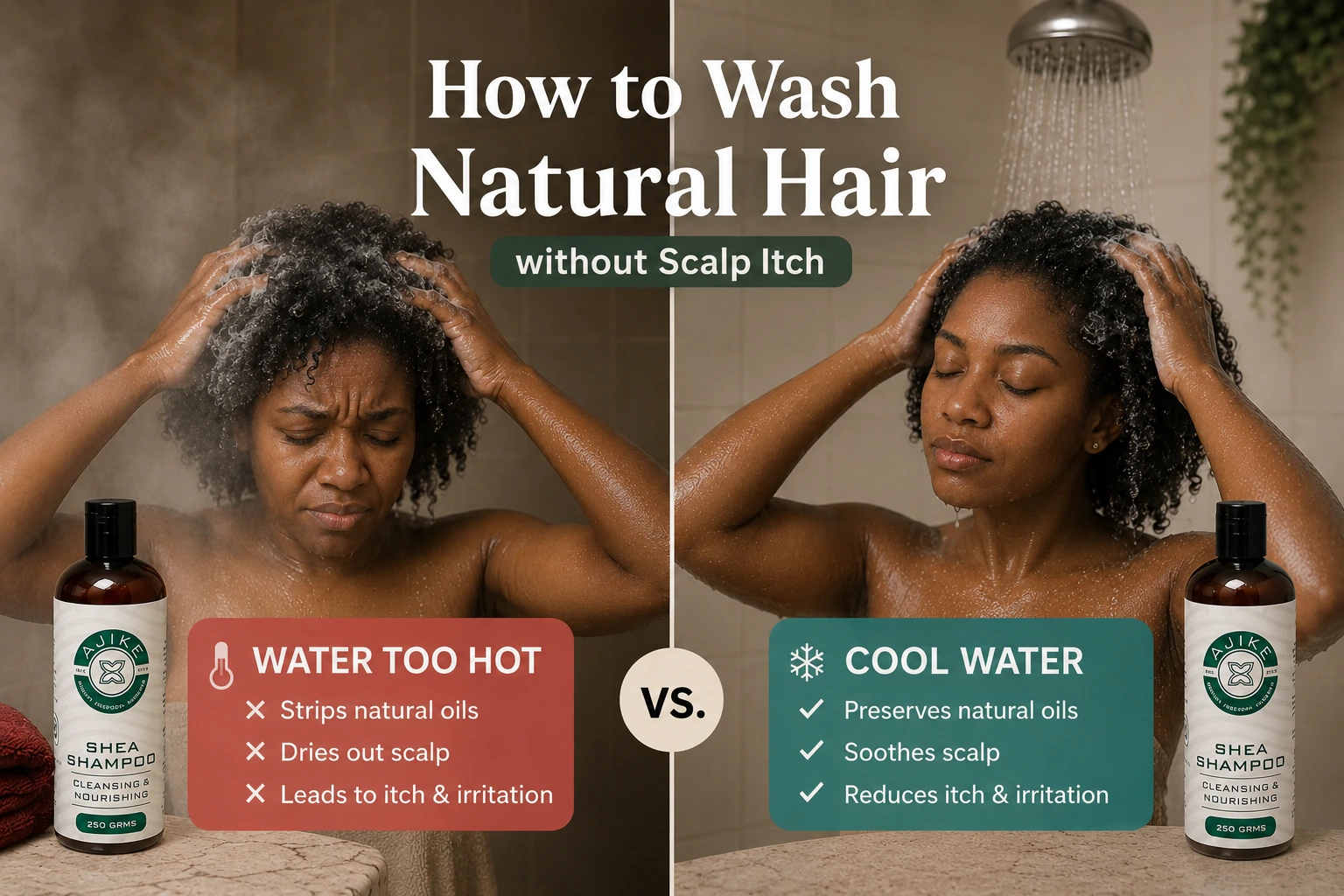
The Role of Water Temperature in Post-Wash Scalp Irritation
Hot water dissolves scalp sebum more aggressively than lukewarm water, stripping more of the protective oil layer from the scalp surface. Hot water also opens the scalp's blood vessels and dilates the pores, making the scalp more reactive to any irritating compounds in the shampoo. The combination of a stripped scalp and increased reactivity from hot water significantly worsens post-wash itch compared to the same shampoo used with lukewarm water.
The final rinse temperature matters particularly. A cool or cold final rinse closes the pores and temporarily reduces scalp reactivity, helping to calm the scalp before it is exposed to air and styling products. This single change in technique can meaningfully reduce post-wash itching even before any product changes are made.
Natural Solutions for Itchy Scalp After Washing
Switch to a Sulfate-Free, Fragrance-Free Shampoo First
Before adding any new scalp treatments or changing your entire routine, the single most impactful change is switching to a shampoo without sulfates and without synthetic fragrance. This eliminates the two most common direct causes of post-wash scalp itch in a single step. Give the new shampoo at least 3 to 4 wash cycles before evaluating, as the scalp needs time to rebalance after years of disruption.
Peppermint Oil: Cooling Anti-Inflammatory Relief for Itchy Scalp
Menthol, the primary active compound in peppermint oil, provides a cooling sensation on the scalp that directly reduces the perception of itch through a counter-stimulation mechanism. Menthol activates the TRPM8 cold receptors in scalp nerve endings, producing a cooling signal that overrides the itch signal from the same nerve fibres. This is not just sensory distraction. Menthol also has documented anti-inflammatory properties that reduce the inflammatory component of scalp itch.
The antibacterial properties of peppermint oil provide an additional layer of scalp support by addressing the microbial environment that contributes to some scalp itch conditions. In a shampoo format where it remains on the scalp for several minutes before rinsing, peppermint oil provides both immediate cooling relief and sustained antimicrobial benefit.
Tea Tree Oil: Natural Antifungal for Dandruff and Malassezia
Terpinen-4-ol, the primary active compound in tea tree oil (Melaleuca alternifolia), has well-documented antifungal activity against Malassezia globosa and other dermatophytes. At concentrations of 2 to 5 percent in a shampoo formula, tea tree oil provides meaningful antifungal scalp treatment without the side effects of pharmaceutical antifungals like ketoconazole.
A study published in the Journal of the American Academy of Dermatology found that a 5 percent tea tree oil shampoo reduced dandruff severity by 41 percent over 4 weeks compared to a placebo. For Malassezia-driven scalp itch, tea tree oil in a shampoo format that remains on the scalp for 2 to 3 minutes before rinsing is one of the most evidence-backed natural antifungal treatments available.
Rosemary: Scalp Circulation and Anti-Inflammatory Support
Ursolic acid and carnosic acid, the primary bioactive compounds in rosemary extract, provide anti-inflammatory action at the scalp level through inhibition of pro-inflammatory prostaglandins and cytokines. Scalp inflammation is a secondary driver of itch in many conditions, and reducing the inflammatory baseline of the scalp helps moderate the itch response regardless of the primary trigger.
Rosemary also supports scalp microcirculation, which improves nutrient delivery to the scalp and promotes a healthier scalp environment overall. The combination of peppermint, tea tree, and rosemary in a single shampoo creates a three-mechanism approach: immediate cooling relief (peppermint menthol), antifungal action (tea tree terpinen-4-ol), and anti-inflammatory support (rosemary ursolic acid).
Apple Cider Vinegar Rinse: Restoring the Scalp's Acid Mantle
Apple cider vinegar (ACV) has an acetic acid content that gives it a pH of approximately 2 to 3, significantly more acidic than the scalp's natural range of 4.5 to 5.5. When diluted and used as a post-wash rinse, ACV helps restore the scalp's acidic pH after the alkaline exposure of most shampoos, supporting the acid mantle's recovery.
The ACV rinse also helps dissolve hard water mineral deposits on the scalp, providing a secondary benefit for those in hard water areas. Dilute apple cider vinegar with water at a ratio of 1 part ACV to 4 to 5 parts water. Apply to the scalp after shampooing, leave for 1 to 2 minutes, then rinse thoroughly with cool water. Do not use undiluted, as the concentrated acidity can irritate the scalp.
Baobab Oil Scalp Treatment: Nourishing the Scalp Between Washes
For dry scalp and the scalp dryness that follows over-stripping with harsh shampoos, Ajike Pure Baobab Oil applied directly to the scalp in sections between washes provides emollient nourishment, essential fatty acid support for barrier repair, and vitamin-rich nourishment that the scalp needs to recover its healthy function. Apply 2 to 3 drops to the scalp along each parting and massage gently for 3 to 4 minutes.
The massage component is as important as the oil itself: scalp massage increases blood flow to the scalp, supports sebaceous gland function, and helps distribute the natural scalp oils that protect against dryness and microbial imbalance.
African Black Soap as a Scalp Cleanser: Why It Works Differently
African black soap provides effective scalp cleansing through a different mechanism than synthetic sulfate shampoos. The saponified plant oils and cocoa pod ash create a naturally alkaline cleansing environment that is effective at removing sebum, dirt, and product residue, but the natural glycerine retained from saponification actively moisturises the scalp during the cleansing process rather than stripping it.
The natural antibacterial action of cocoa pod ash addresses scalp bacteria without the broad-spectrum harshness of synthetic antimicrobials that disrupt the entire scalp microbiome. The absence of synthetic sulfates means the acid mantle disruption is significantly less pronounced than with SLS-based products. For scalp itch that is at least partly caused by shampoo harshness, African black soap shampoo produces noticeably less post-wash itch from the first use.
How to Wash Natural Hair Without Triggering Scalp Itch
Water Temperature: Why This Single Change Makes a Difference
Switch entirely to lukewarm water for washing natural hair and scalp. Not warm. Not hot. Lukewarm, comfortably warm but not heated. This single change reduces the stripping of scalp sebum during washing, reduces the dilation of scalp blood vessels that increases reactivity, and allows the shampoo to cleanse without the additional damage that hot water adds to the process.
For the final rinse, use cool to cold water. The cool rinse closes the scalp's pores, reduces reactivity, and begins the pH recovery process more quickly than rinsing with warm water. Many people find that this single technique change reduces post-wash itch noticeably even before making any product changes.
How to Apply Shampoo to the Scalp Without Disturbing the Acid Mantle
Apply shampoo directly to the scalp in sections rather than pouring it onto the top of the head and working it through. Apply with fingertips, not fingernails, using gentle pressure in small circular motions. Avoid vigorously scrubbing the scalp, which disrupts the surface layer, strips sebum unevenly, and can cause micro-abrasions that make the scalp more susceptible to irritation.
Allow the shampoo to remain on the scalp for 2 to 3 minutes if using an antifungal shampoo (peppermint, tea tree, and rosemary formula), to allow the active compounds time to work. For a regular cleansing wash, 1 minute of gentle massage is sufficient before rinsing.
How Often to Wash to Avoid the Itch-Rewash Cycle
The itch-rewash cycle, where post-wash itch triggers more frequent washing, which creates more stripping, which produces more itch, is broken by reducing washing frequency rather than increasing it. For most natural hair types, once a week to once every two weeks is the appropriate washing frequency.
If scalp itch is prompting you to wash more than once a week, and the itch is actually worsening with increased washing, you are in the itch-rewash cycle. Commit to stretching to at least 10 days between washes while using scalp oil treatment and scalp massage between washes. The scalp rebalancing takes 2 to 4 weeks but produces significant long-term improvement.
The Importance of Thorough Rinsing
Shampoo residue left on the scalp after rinsing is a significant and underestimated cause of post-wash itch. The active surfactants in shampoo, if not fully rinsed away, continue their acid mantle-disrupting activity on the scalp as the hair dries. For natural and textured hair where the density and curl pattern can trap product residue, rinsing needs to be more thorough and more deliberate than many people realise.
After rinsing, run your fingers through the hair at the scalp and feel whether the scalp surface feels clean and slightly slippery from the cool water, or whether there is still a slightly soapy or sticky feeling. If there is any residue sensation, rinse for longer. The cool final rinse should leave the scalp feeling clean and calm.
Post-Wash Scalp Care That Reduces Irritation
Immediately after washing, when the scalp is still damp, is when it is most receptive to any applied treatment. Apply Ajike Hair and Scalp Luxury Oil to the scalp in sections, massaging gently for 2 to 3 minutes. The oil provides immediate emollient protection to the just-washed scalp, supports the acid mantle's recovery, and the massage improves circulation.
Allow the hair to air dry rather than using high heat immediately after washing if possible. Heat applied to a freshly washed, slightly disrupted scalp increases reactivity and can worsen post-wash itch, even with a genuine improvement in the shampoo formula.
When to See a Doctor About Scalp Itch
See a doctor if: Seek medical attention if any of the following are present alongside scalp itch: open sores, significant hair loss in patches, crusting or oozing, spreading to the face or behind the ears, or a rash that does not respond to any treatment after 6 weeks.
Signs the Itch Is Beyond a Product or Washing Routine Issue
If scalp itch persists after 4 to 6 weeks of consistent sulfate-free, fragrance-free shampoo use with improved washing technique, or if the itch is accompanied by visible scalp changes beyond flaking, the issue is likely beyond a routine or product problem. Persistent, severe itch that disrupts sleep, any associated hair loss, bleeding from scratching, or itch that spreads beyond the hairline onto the face or neck are all signs that a dermatologist assessment is appropriate.
What Scalp Psoriasis Looks Like and When to Seek Diagnosis
Scalp psoriasis produces well-defined plaques of thick, silvery-white scale over areas of red or inflamed skin. The plaques have sharp edges and often extend slightly beyond the hairline onto the forehead, behind the ears, or at the nape of the neck. The itch can be intense. Scalp psoriasis does not respond to antifungal treatments or gentle shampoo changes and requires diagnosis and management by a healthcare provider.
If you have psoriasis elsewhere on the body, particularly on the elbows, knees, or lower back, and you have persistent scalp itch with silvery plaques, the likelihood of scalp psoriasis is high. Do not attempt to manage this with natural remedies alone.
Scalp Folliculitis: Signs of Infection That Need Medical Attention
Scalp folliculitis is inflammation or infection of the hair follicles, producing small, pus-filled bumps on the scalp surface that may be itchy, painful, or tender to the touch. It can be caused by bacterial infection (most commonly Staphylococcus aureus), fungal infection, or non-infectious inflammation. Bacterial folliculitis requires antibiotic treatment and will not resolve with natural scalp treatments alone.
Signs of folliculitis: clusters of small red or yellow-tipped bumps on the scalp that are painful to press, warmth or tenderness in a localised area of the scalp, and itch that is significantly worse in the affected area than elsewhere. Do not scratch or attempt to extract folliculitis bumps, as this can spread infection and cause scarring.
When Over-the-Counter Solutions Are Not Enough
If you have tried sulfate-free, fragrance-free shampoo, antifungal natural treatments (tea tree, peppermint), and improved washing technique consistently for 6 weeks without meaningful improvement, the condition is likely either a medically managed one (seborrhoeic dermatitis that needs pharmaceutical intervention, scalp psoriasis, or allergic contact dermatitis that needs patch testing to identify the specific allergen) or a systemic issue that is manifesting on the scalp.
A dermatologist can perform patch testing to identify contact allergens, prescribe appropriate antifungal or corticosteroid treatments for seborrhoeic dermatitis and psoriasis, and rule out less common causes of scalp itch. Natural remedies are appropriate and effective for the majority of post-wash scalp itch cases. When they are not sufficient, medical support is the appropriate next step.
Ajike Products That Help with Itchy Scalp
Ajike Peppermint, Rosemary and Tea Tree African Black Soap Shampoo
This is the first product to try for scalp itch, particularly if the itch is associated with dandruff or a reactive post-wash scalp. The African black soap base provides sulfate-free, natural antimicrobial cleansing. The peppermint (menthol) provides immediate cooling relief and anti-inflammatory action. The tea tree (terpinen-4-ol) provides antifungal action against Malassezia. The rosemary (ursolic acid) reduces scalp inflammation and supports circulation. All three active ingredients are functional, not cosmetic additions.
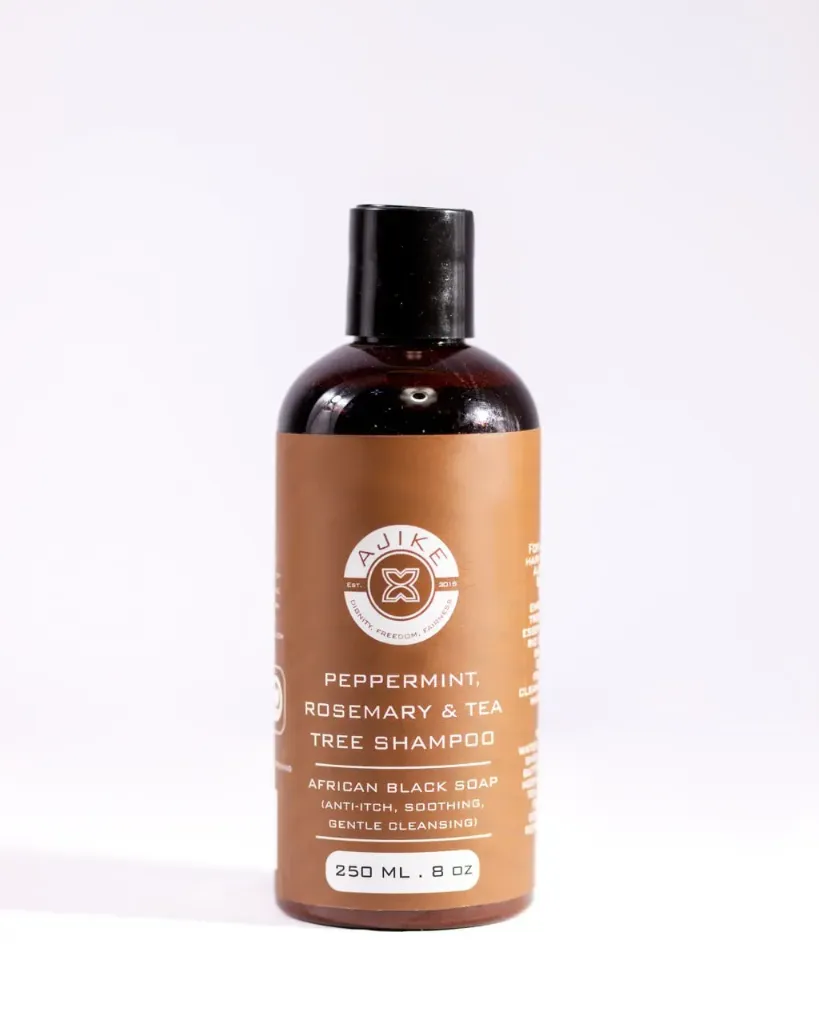
Refresh, Soothe & Rebalance Your Scalp
Peppermint, Rosemary & Tea Tree African Black Soap Shampoo
A sulfate-free African black soap shampoo enriched with peppermint, rosemary and tea tree to gently cleanse while helping calm scalp irritation, flakes and excess oil.
Refresh, Soothe & Rebalance Your Scalp
Peppermint, Rosemary & Tea Tree African Black Soap Shampoo
A sulfate-free African black soap shampoo enriched with peppermint, rosemary and tea tree to gently cleanse while helping calm scalp irritation, flakes and excess oil.
Ajike Marula and Baobab Anti-Breakage Shampoo: Sulfate-Free Daily Option
For scalp itch that is driven primarily by the harshness of a conventional shampoo rather than by dandruff or fungal overgrowth, our Marula and Baobab Shampoo provides effective sulfate-free cleansing with conditioning properties integrated into the formula itself. It is gentler on the scalp than the peppermint and tea tree formula and is appropriate for everyday use or for those who need a milder option without the active essential oils.
Ajike Hair and Scalp Luxury Oil: Between-Wash Scalp Treatment
Applied between washes directly to the scalp with gentle massage, our Hair and Scalp Luxury Oil provides baobab oil-based nourishment, scalp circulation support from the rosemary component, and a broader botanical complex that supports scalp health without sitting heavy on the scalp. For the itch that develops between washes, particularly on a scalp that has been stripped by previous harsh shampoos, this is the most direct between-wash intervention.
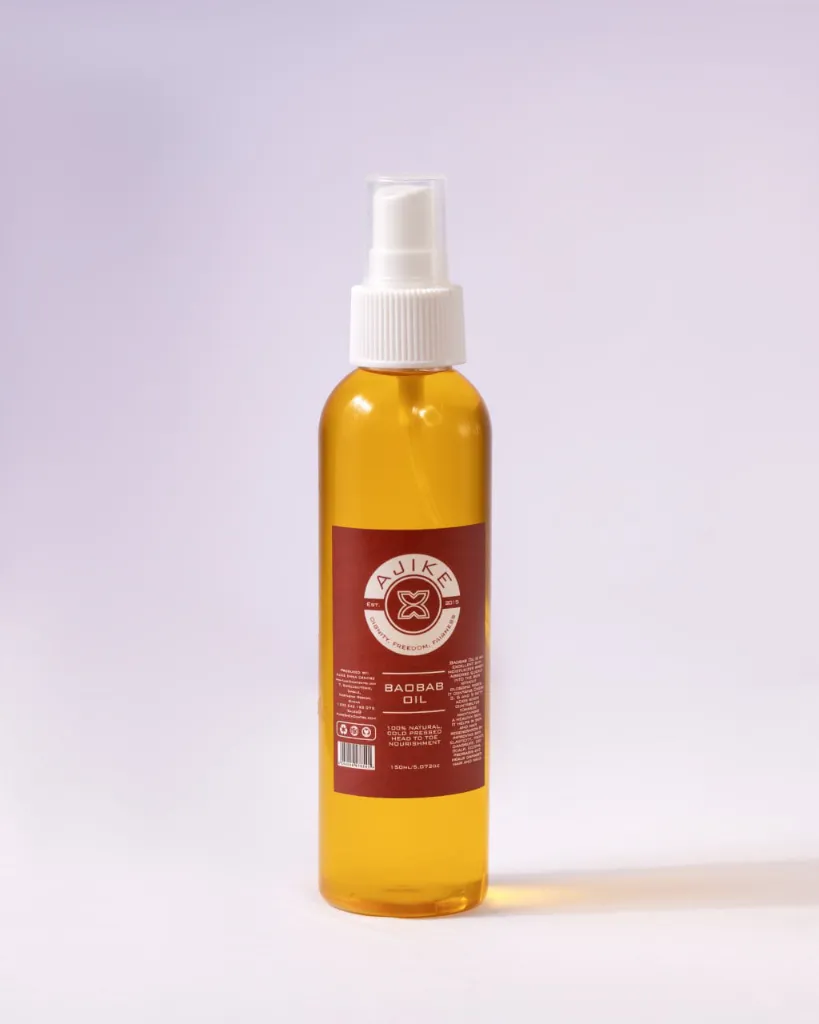
Restore Comfort Between Wash Days
Hair & Scalp Luxury Oil
A baobab-based botanical treatment blend enriched with rosemary-inspired oils to moisturise the scalp, soothe itchiness and support healthier-looking hair between wash days.
Restore Comfort Between Wash Days
Hair & Scalp Luxury Oil
A baobab-based botanical treatment blend enriched with rosemary-inspired oils to moisturise the scalp, soothe itchiness and support healthier-looking hair between wash days.
Ajike Pure Baobab Oil: For Direct Scalp Nourishment
For dry scalp itch where the primary problem is a depleted, dry scalp rather than fungal overgrowth, Ajike Pure Baobab Oil applied directly to the scalp provides emollient and essential fatty acid support that the dry scalp needs. It does not sit heavy, does not cause buildup when used in appropriate amounts (2 to 3 drops per scalp application), and absorbs into the scalp skin to provide lasting nourishment rather than just surface coating.
Ajike Neem Oil: For Targeted Antifungal Scalp Support
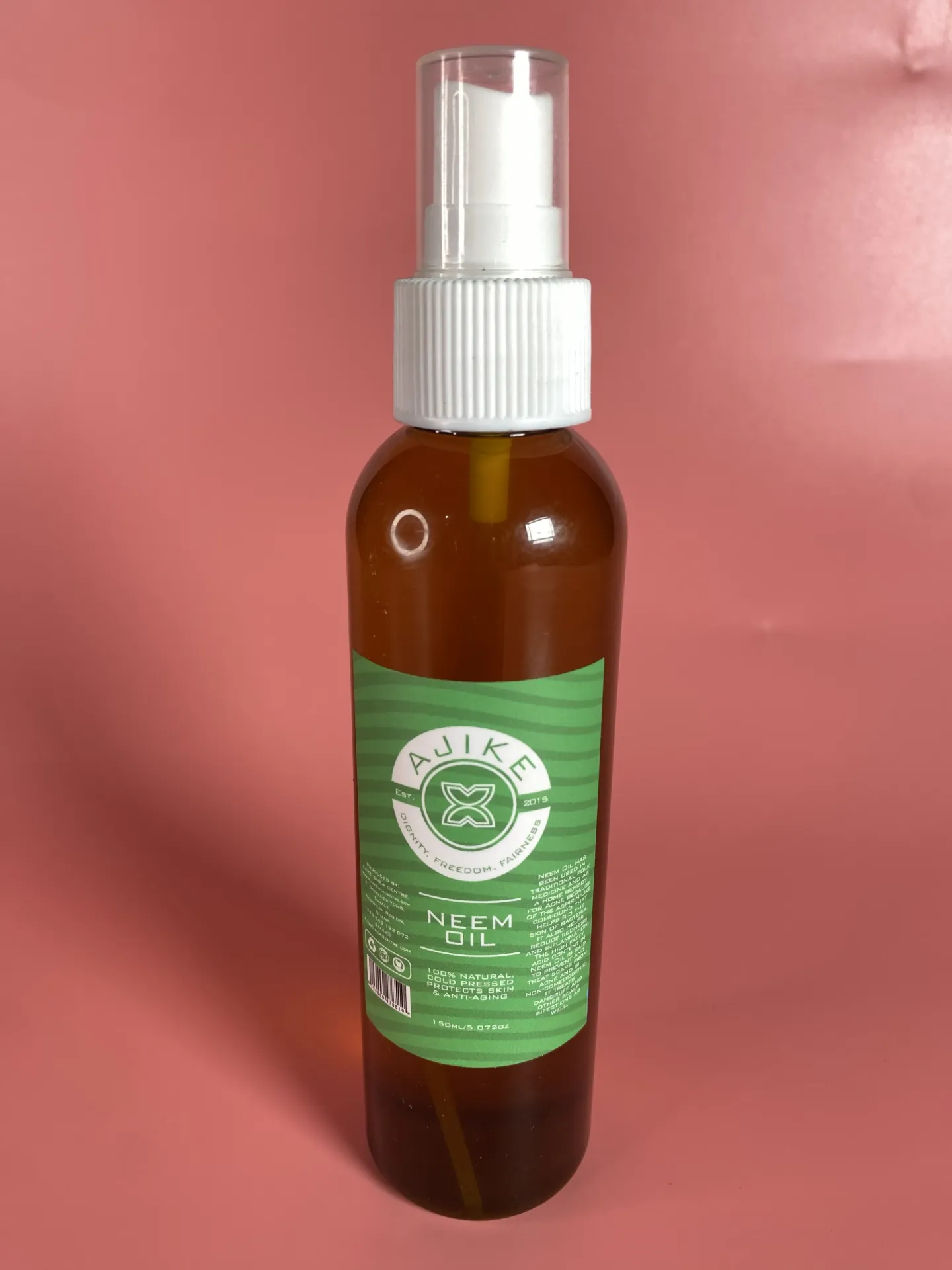
For scalp itch associated with persistent dandruff or seborrhoeic dermatitis that is not responding to the antifungal shampoo alone, Ajike Neem Oil applied as a targeted scalp treatment before washing adds the concentrated antibacterial and antifungal action of nimbidin, nimbin, and azadirachtin to the routine. Apply 2 to 3 drops directly to the most affected scalp areas, massage gently, and leave for 30 to 60 minutes before shampooing. The strong neem scent washes out with the shampoo.
Soothe & Protect Your Scalp Naturally
Neem Oil
Pure neem oil with naturally occurring antibacterial and antifungal compounds. Ideal as a targeted pre-wash scalp treatment to help support dandruff-prone, itchy and irritated scalps.
View Product
Soothe & Protect Your Scalp Naturally
Neem Oil
Pure neem oil with naturally occurring antibacterial and antifungal compounds. Ideal as a targeted pre-wash scalp treatment to help support dandruff-prone, itchy and irritated scalps.
View ProductHow to Build an Ajike Routine That Stops the Post-Wash Itch
For scalp itch from dandruff: Neem oil to scalp (30 min pre-wash), Peppermint Rosemary Tea Tree Shampoo (leave on scalp 2 to 3 min), cool water rinse, Baobab Luxury Oil applied to scalp post-wash with massage. Repeat weekly.
For scalp itch from dryness or shampoo harshness: Baobab Oil scalp pre-treatment (30 min), Marula Baobab Anti-Breakage Shampoo (gentle, 1 min), ACV diluted rinse, Pure Baobab Oil to scalp post-wash. Reduce to every 10 to 14 days.
Frequently Asked Questions
Immediate post-wash scalp itch is almost always caused by something in the shampoo: most commonly sulfates (SLS or SLES) stripping the acid mantle, synthetic fragrance causing irritation or an allergic reaction, or preservatives like methylisothiazolinone causing contact dermatitis. Switch to a sulfate-free, fragrance-free shampoo and monitor over 3 to 4 wash cycles.
Natural hair is washed less frequently, meaning products accumulate between washes and the scalp is exposed to them for longer. The coil structure makes rinsing less thorough. Many natural hair products create scalp buildup that becomes irritating when wetted during washing. Additionally, natural hair care communities have often used harsh shampoos not designed for their hair type, creating a chronic itch-rewash cycle.
Dandruff produces larger, oily or yellowish flakes on a scalp that feels greasy. Dry scalp produces smaller, white, powdery flakes on a scalp that feels tight and dry. Dandruff requires antifungal treatment (tea tree, peppermint). Dry scalp requires moisturisation (baobab oil) and a gentler shampoo. Using antifungal treatment on dry scalp, or moisturisers alone on dandruff, will not resolve the condition.
Allow 3 to 4 full wash cycles, typically 3 to 4 weeks, for the scalp to rebalance after switching from a harsh conventional shampoo to a sulfate-free formula. The first week may not show dramatic improvement as the scalp adjusts. By the third and fourth wash, most people notice meaningfully reduced post-wash itch if the product was the primary cause.
Tea tree oil addresses the Malassezia yeast that causes dandruff through its terpinen-4-ol content, and consistent use reduces dandruff severity significantly. It is not a permanent cure in the sense that dandruff can return if the conditions that favour Malassezia overgrowth are restored. Consistent use of a tea tree-containing shampoo as part of your washing routine is the practical approach for ongoing dandruff management rather than a one-time treatment.
Our latest contents
Check out what's new in our Blog!