
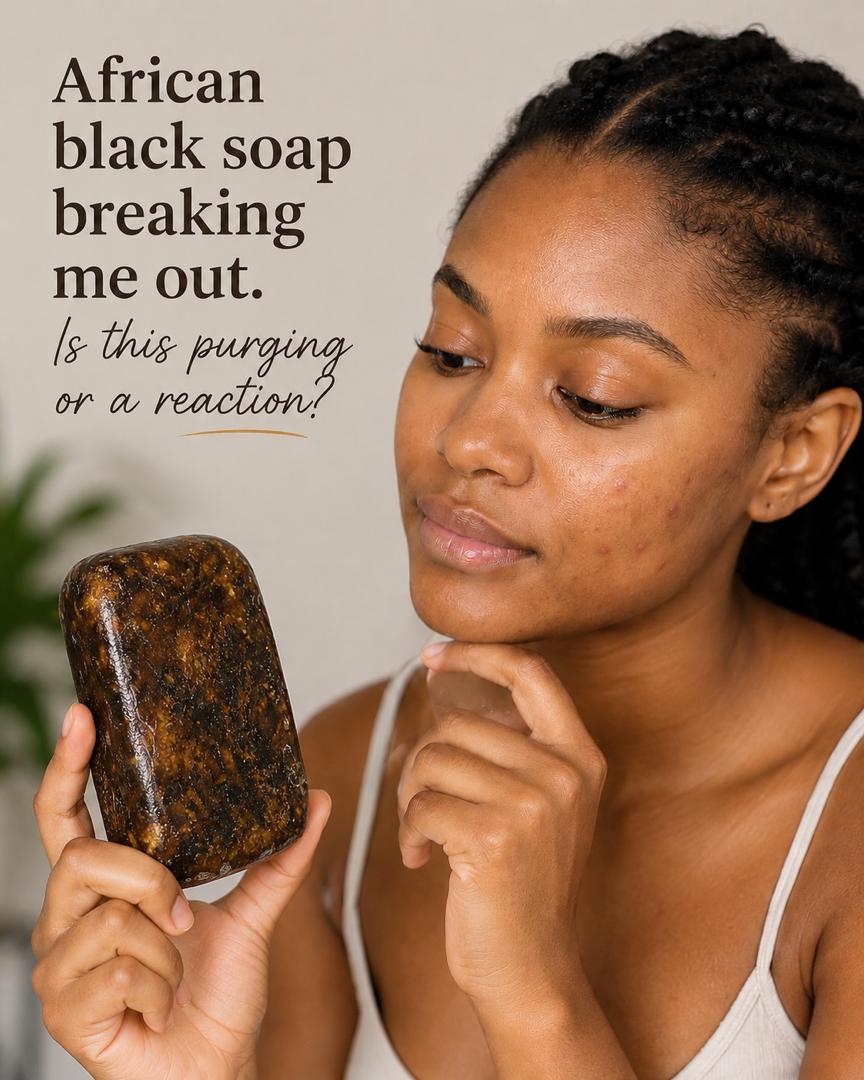
You started using African black soap with high hopes of clearer skin, fewer breakouts, a natural routine you could trust. And then, a few days in, small bumps appeared. Or existing spots seemed to get worse. And now you are wondering: is the soap doing this? Should I stop? Is something wrong?
The short answer is: this is very likely normal and it is actually a sign that the soap is working. But to understand why, you need to understand what is actually happening inside your skin during this period.
This guide explains everything the difference between purging and a reaction, why African black soap specifically can trigger this, how long it lasts, and exactly what you should and should not do during the adjustment phase.
Read Also: New to African Black Soap? Start here: What Is African Black Soap?
What Is Actually Happening to Your Skin?
When you switch from a commercial cleanser which typically contains sulfates, synthetic surfactants, silicones, and preservatives to an authentic natural cleanser like African black soap, your skin goes through a recalibration process. This is not a random reaction. It is your skin biology responding to a fundamental change in its environment.
Commercial cleansers strip the skin aggressively, causing it to overproduce oil in compensation and leaving behind a layer of synthetic residue that suppresses the skin's natural processes. When you remove that synthetic layer and introduce a genuinely clean, plant-based cleanser, the skin begins to operate differently and that shift can be visible on the surface for a short period.
Understanding whether what you are experiencing is purging or a true adverse reaction is the single most important thing you need to establish before deciding whether to continue or stop.
What Is Skin Purging?
How Purging Works Inside the Pore.
Skin purging is a process in which an ingredient typically one that increases cell turnover or changes the skin's surface environment accelerates the movement of congestion that was already developing beneath the skin surface. Think of it as the skin clearing out a backlog inside every pore, sebum, dead skin cells, and environmental debris accumulate over time.
Under normal circumstances, this congestion takes weeks to work its way to the surface and become visible as a blackhead, whitehead, or inflamed spot. When an ingredient speeds up cell turnover or changes the skin's surface chemistry, that congestion is pushed to the surface much faster all at once, rather than gradually. The result looks like a breakout. But it is not new congestion being created, it is existing congestion being expelled faster than usual.
Which Ingredients Trigger Purging?
Purging is most commonly associated with ingredients that directly increase skin cell turnover such as retinoids, AHAs, BHAs, and certain exfoliating acids. However, any significant change in the skin's surface chemistry can trigger a similar clearing response. This includes switching from a synthetic cleanser to a natural one, particularly when the natural cleanser contains ingredients that alter the skin's pH environment, as African black soap does through its cocoa pod ash content.
Why African Black Soap Can Cause an Adjustment Phase.
African black soap contains cocoa pod ash, which creates a naturally alkaline environment on the skin during cleansing. This alkalinity gently loosens the bonds between dead skin cells and accelerates their removal, a mild form of chemical exfoliation that occurs naturally with every use. For skin that has been used to synthetic cleansers that sit at a neutral or acidic pH, this shift in surface chemistry triggers the skin to begin expelling congestion that was already there but hidden beneath the surface.
Additionally, because authentic African black soap contains no silicones, no waxes, and no occlusive synthetic film forming agents, the layer of residue that commercial cleansers leave behind which physically suppresses congestion from surfacing is suddenly gone. The skin now has nothing blocking the natural emergence of that backlog.
Key Point: Purging caused by African black soap is not the soap creating new problems, it is the soap revealing and accelerating the clearance of problems that were already there. This distinction is important.
Skin Purging vs Breakout: How to Tell the Difference.
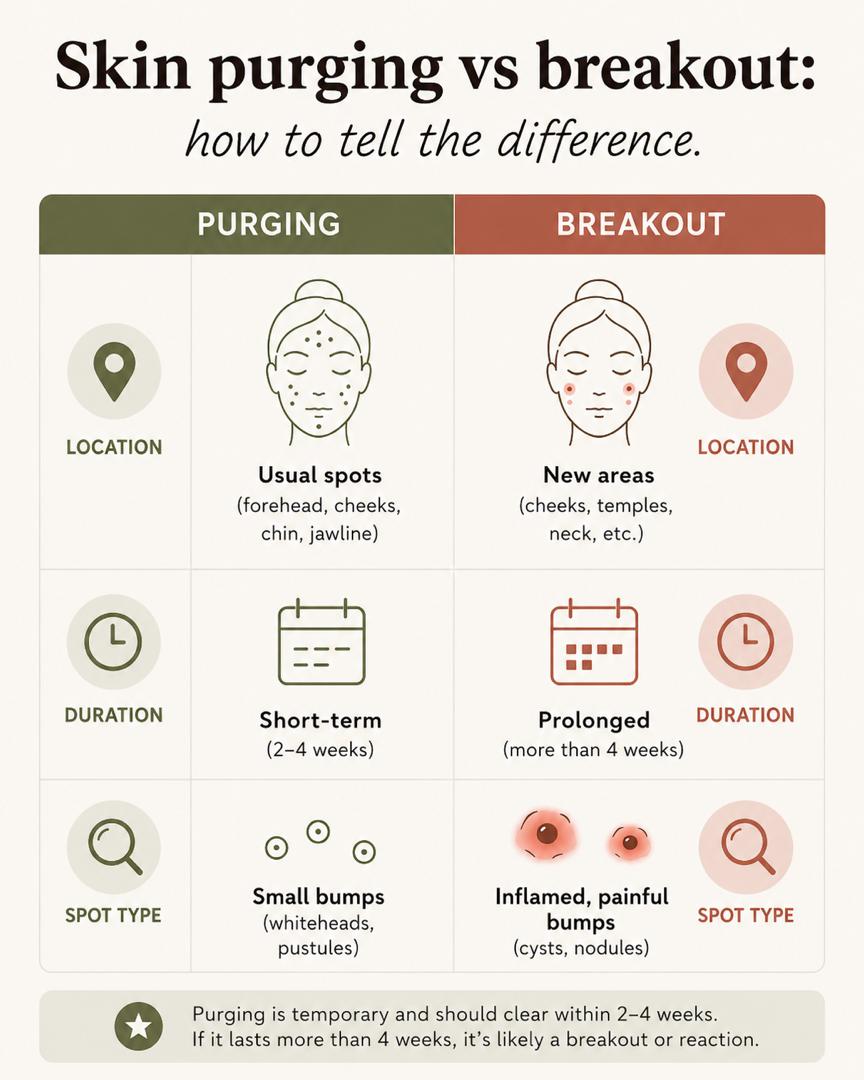
Location on the Face, Why It Matters:
This is the single most reliable indicator. Purging appears in the areas where you already experience breakouts, your usual problem zones. If you normally break out on your forehead and chin, purging will appear on your forehead and chin. If your cheeks are normally clear, purging will not appear on your cheeks.
A true adverse reaction, on the other hand, appears in areas that are not your typical breakout zones, spots in unusual locations, spreading redness, or widespread inflammation in areas that have always been clear. If you are breaking out in areas that have never been problematic for you before, that is a signal to pause and reassess rather than continue.
How Long It Lasts, The Biggest Clue:
Purging is time limited. It lasts 2 to 4 weeks no more. This is because purging is the accelerated clearance of a finite backlog of congestion. Once that backlog is cleared, the purging stops and the skin begins to improve noticeably.
If what you are experiencing has lasted more than 4 to 6 weeks and shows no sign of improvement, it is likely not purging it is a sustained reaction that warrants stopping use and assessing your full skincare routine.
What the Spots Look Like:
Purging spots tend to be small, surface level pustules or whiteheads the type of congestion that was already developing beneath the surface. They tend to appear quickly, come to a head quickly, and resolve relatively quickly.
A reaction, by contrast, may produce deeper, more painful, cystic feeling lesions spots that do not come to a surface head easily and take a long time to resolve. Widespread redness, burning, stinging, or a rash like appearance are signs of an adverse reaction rather than purging.
Your Skin History, What Products You Used Before:
Your skin history matters significantly in interpreting your experience. If you were previously using heavy occlusive moisturisers, silicone based primers or foundations, synthetic wax based cleansers, or products with high concentrations of pore clogging ingredients, the backlog of congestion waiting beneath your skin surface is likely larger. The purging phase may be more pronounced and slightly longer.
If your previous routine was already fairly clean and minimal, your purging if any will likely be mild and brief.
Why Is African Black Soap Specifically Causing This?
The Role of Cocoa Pod Ash and Natural pH
Cocoa pod ash is the defining ingredient in authentic Ghanaian African black soap. When roasted and combined with water, it creates a naturally alkaline lye solution that drives saponification and gives the finished soap a slightly elevated pH compared to the skin's natural acidic pH of 4.5 to 5.5.
This temporary alkaline contact during cleansing acts as a mild exfoliant loosening corneocytes (dead skin cells) and encouraging faster cell turnover at the skin surface. For skin accustomed to the suppressive layer of commercial cleansers, this exfoliation effect accelerates the clearance of subsurface congestion.
Saponification and Skin Recalibration:
Saponification, the chemical process that creates authentic African black soap produces natural glycerine as a byproduct, which is retained in the finished bar. Commercial soap manufacturing extracts this glycerine. The presence of retained glycerine in African black soap means the skin's hydration balance is being supported during cleansing, even as cell turnover is being gently accelerated.
However, the skin still needs time to recalibrate from producing excess sebum a habit it developed in response to years of over stripping with synthetic cleansers. During this recalibration period, sebum production may temporarily remain elevated, contributing to congestion on the surface.
Old Product Buildup Coming to the Surface
Commercial cleansers, moisturisers, and makeup products containing silicones, synthetic waxes, and film forming polymers leave a residue layer on the skin that builds up over time. This layer suppresses the skin's natural clearing process. When African black soap removes this residue layer which it begins doing from the first wash the skin's natural clearing mechanisms resume, and the backlog of congestion that had been accumulating beneath the surface begins to emerge.
This is particularly common in people transitioning from foundation heavy or heavy moisturiser routines to a more minimal, natural skincare approach.
Your Skin Barrier Adjusting to Pure Ingredients
When your skin has only ever known synthetic ingredients, synthetic surfactants that strip, synthetic emollients that coat, synthetic preservatives that alter the skin's microbiome the introduction of purely plant-based ingredients requires a genuine adjustment. The skin barrier is recalibrating how to manage its own moisture, oil production, and surface renewal without artificial intervention.
This adjustment is positive and necessary. But it does have a brief visible phase, which most people interpret as their skin reacting badly when in reality their skin is learning to function correctly on its own.
How Long Does the Adjustment Phase Last?
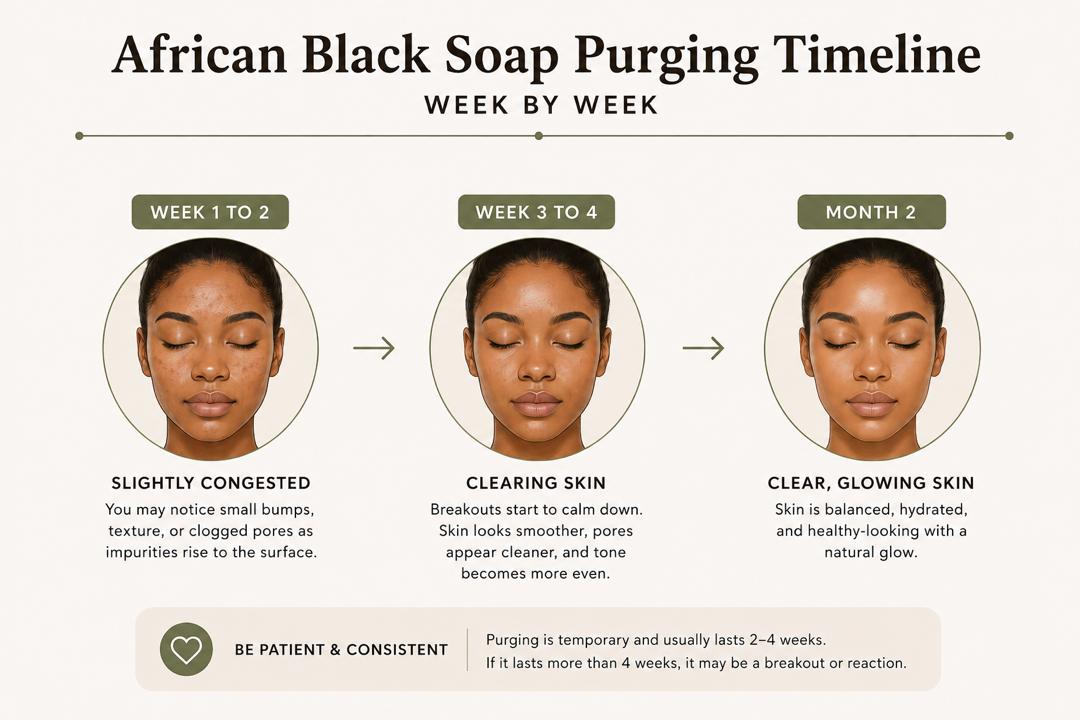
Week 1 and 2: What Is Normal
During the first two weeks, the adjustment phase is at its most active. You may notice small pustules or whiteheads appearing in your usual breakout zones, a temporary increase in the number of active spots compared to your baseline, or your skin feeling slightly different after cleansing not tight, but different from the synthetic smoothness you are used to.
This is the period where most people stop prematurely. Understanding that this is the purging working not the soap failing is what separates those who see the results from those who give up before the skin can clear.
Week 3 and 4: What Should Be Improving
By weeks three and four, the purging should be visibly subsiding. The frequency of new spots should be decreasing. Existing spots should be resolving more quickly than they used to. Overall skin texture should be beginning to feel smoother and more balanced after cleansing.
This is also the period where many users begin to notice that their skin feels less oily throughout the day a sign that the sebum overproduction habit is beginning to normalise.
When to Be Concerned
You should pause use and reassess if any of the following are present: the breakouts are appearing in areas that have never been problematic for you before, you are experiencing burning, stinging, or sustained redness that does not subside within 30 minutes of cleansing, the number and severity of spots is continuing to increase after week 4 with no improvement, or you are experiencing a rash like reaction rather than individual spots. Discontinue use if irritation occurs.
Should You Stop Using African Black Soap?
Signs You Should Continue
- Breakouts are appearing in your usual problem zones only not new areas
- Individual spots are coming to a surface head and resolving within a few days
- The overall number of active spots is the same or only slightly more than usual
- No burning, stinging, or widespread redness after cleansing
- You are within the first 4 weeks of use
- Your skin feels clean and comfortable after cleansing, even if some spots are present
Signs You Should Pause and Reassess
- Breakouts appearing in areas that have always been clear for you
- Burning or stinging sensation during or after use that does not subside quickly
- Widespread redness or rash like reaction across the skin
- Deep, painful cystic lesions that are getting worse week on week
- No improvement whatsoever after 6 weeks of consistent use
- Significant increase in skin dryness or flaking despite consistent moisturising
How to Reduce Intensity Without Stopping
If your purging is more intense than comfortable but you have identified it as genuine purging rather than a reaction, there are practical steps to reduce intensity without abandoning the routine:
- Reduce frequency to every other day or every two days rather than stopping entirely
- Reduce contact time to 20 to 30 seconds rather than the standard 60 seconds
- Ensure your moisturiser is applied immediately to damp skin within 60 seconds of patting dry
- Temporarily pause any other exfoliating products you may be using alongside the soap
- Use lukewarm water rather than warm water during cleansing
How to Use African Black Soap to Minimise the Adjustment Phase
Start Every Other Day Not Daily
This is the single most effective way to reduce the intensity of the purging phase. Starting with every other day use gives your skin time to begin its recalibration gradually rather than all at once. The congestion backlog is cleared more slowly, meaning fewer spots surface simultaneously.
After 2 weeks of every other day use, if your skin is tolerating it well, progress to once daily use. After another 2 weeks, if desired, you can move to twice daily for oily or acne-prone skin types.
Water Temperature Matters
Hot water opens the pores aggressively and strips the skin's natural lipid layer more intensely, making the adjustment phase more pronounced. Lukewarm water is ideal for cleansing with African black soap it allows effective cleansing without excessive disruption to the skin barrier. Always finish with a cool water rinse to close the pores and calm the skin.
Do Not Layer Other Active Ingredients at This Stage
During the adjustment phase, your skin is already undergoing significant recalibration. Adding retinoids, AHAs, BHAs, benzoyl peroxide, or other active treatments on top of African black soap during this period dramatically increases the likelihood of a prolonged or intensified reaction.
Keep your routine simple during the first 4 weeks: African black soap to cleanse, a gentle moisturiser to hydrate and seal. Once the adjustment phase is complete and your skin is settled, you can gradually reintroduce any actives you wish to use alongside it.
Moisturise Immediately Every Single Time
The moisturising step is not optional during the adjustment phase or at any point in your routine. African black soap is a cleanser. It removes impurities and excess oil. Without an immediate follow-up moisturiser applied to slightly damp skin, the skin is left exposed and can become dehydrated, which triggers compensatory sebum overproduction and worsens both the adjustment phase and any active congestion.
Apply your moisturiser within 60 seconds of patting dry, while the skin is still slightly damp. This moisture layering technique ensures your skin retains water and remains supported throughout the recalibration process.
Read Also: Full guide: How to Use African Black Soap Without Drying Your Skin?
Best Ajike Products to Use During the Adjustment Phase
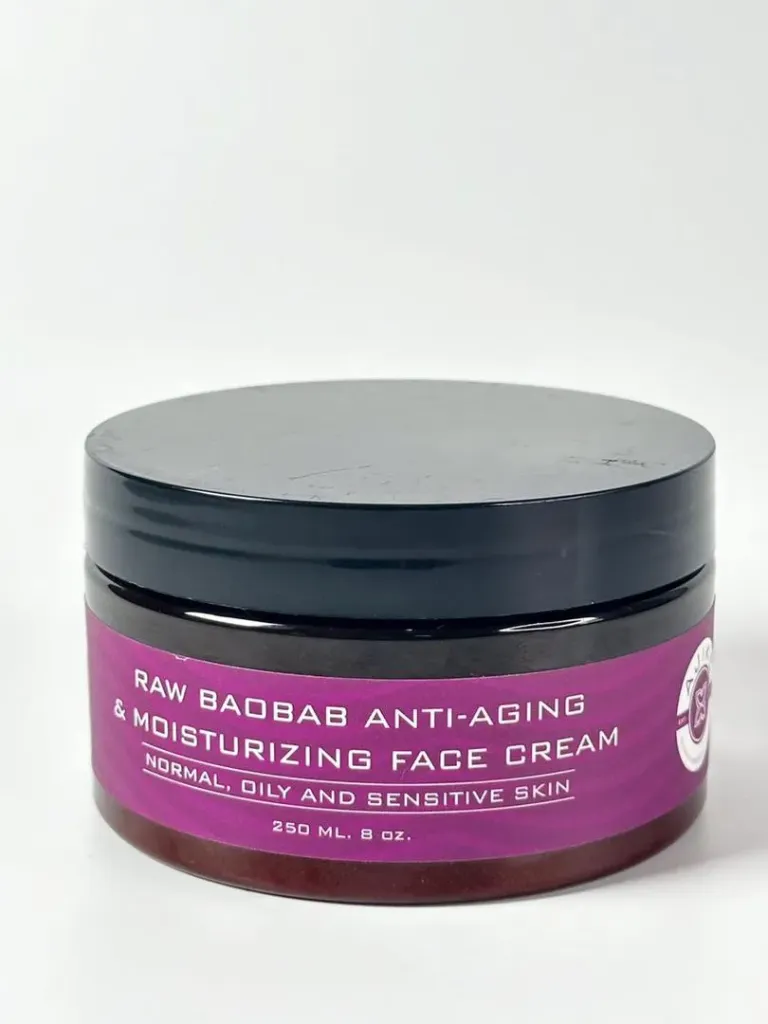
The Right Moisturiser After Black Soap
During the adjustment phase, your moisturiser needs to do two things well: hydrate without clogging pores, and support the skin barrier without introducing potentially irritating synthetic ingredients. This means avoiding heavy, occlusive creams loaded with synthetic emollients, and choosing instead lightweight, plant-based moisturisers that nourish and protect without contributing to congestion.
Why Baobab Oil and Raw Shea Butter Work Best
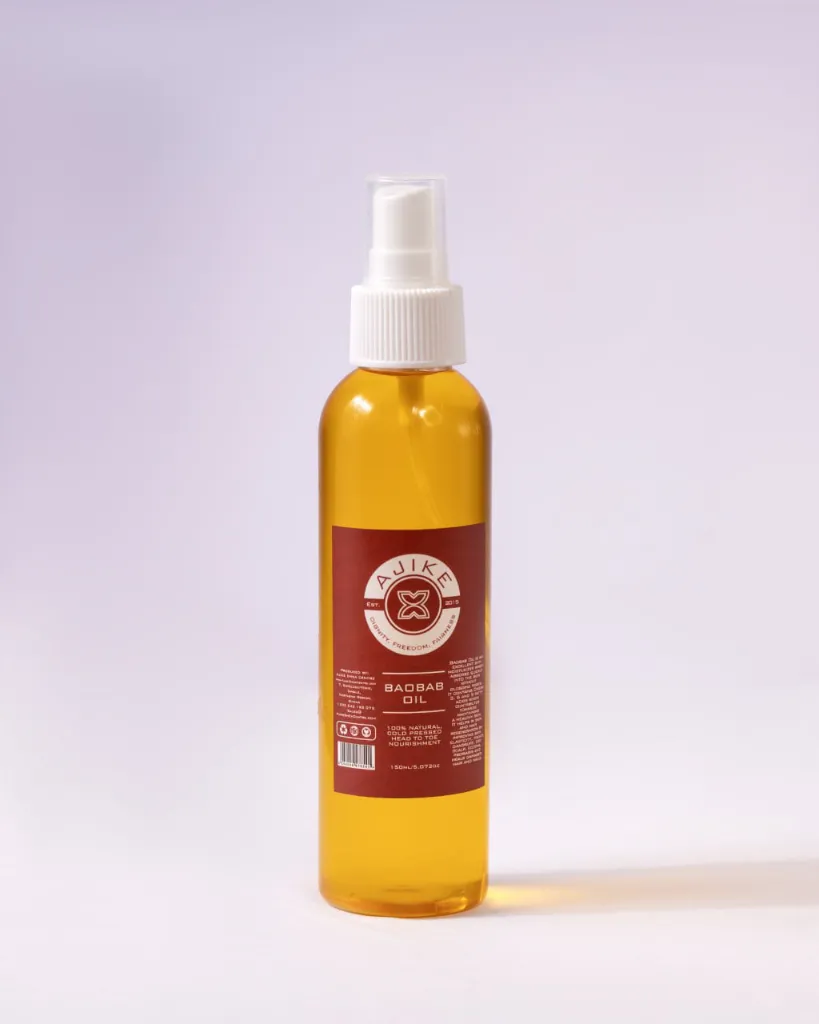
Baobab oil is one of the most compatible plant oils for skin during an adjustment phase. It is naturally non-comedogenic rated 2 on the comedogenicity scale meaning it will not clog pores. It is rich in vitamins A, D, E, and F, and its lightweight texture absorbs quickly into the skin without leaving a heavy residue. Applied to damp skin immediately after cleansing with African black soap, baobab oil provides the moisture barrier support the skin needs without interfering with the clearing process.
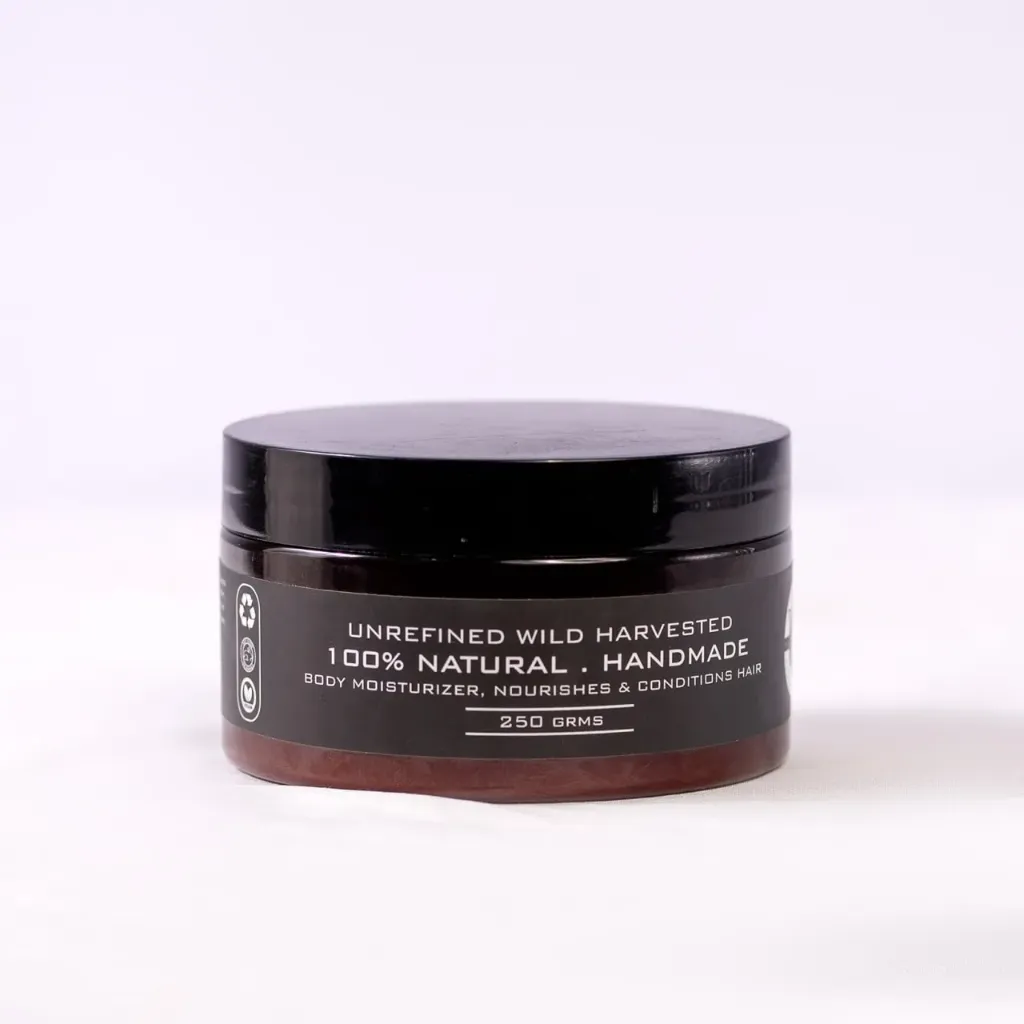
Raw unrefined shea butter, applied very sparingly, provides intensive moisture for dry skin types during the adjustment phase. Its high content of unsaponifiable fractions compounds that remain active on the skin rather than being absorbed makes it an effective barrier repair ingredient that supports the skin without blocking the pore clearing process when used correctly.
Ajike African Black Soap Pure Ingredients, Predictable Results
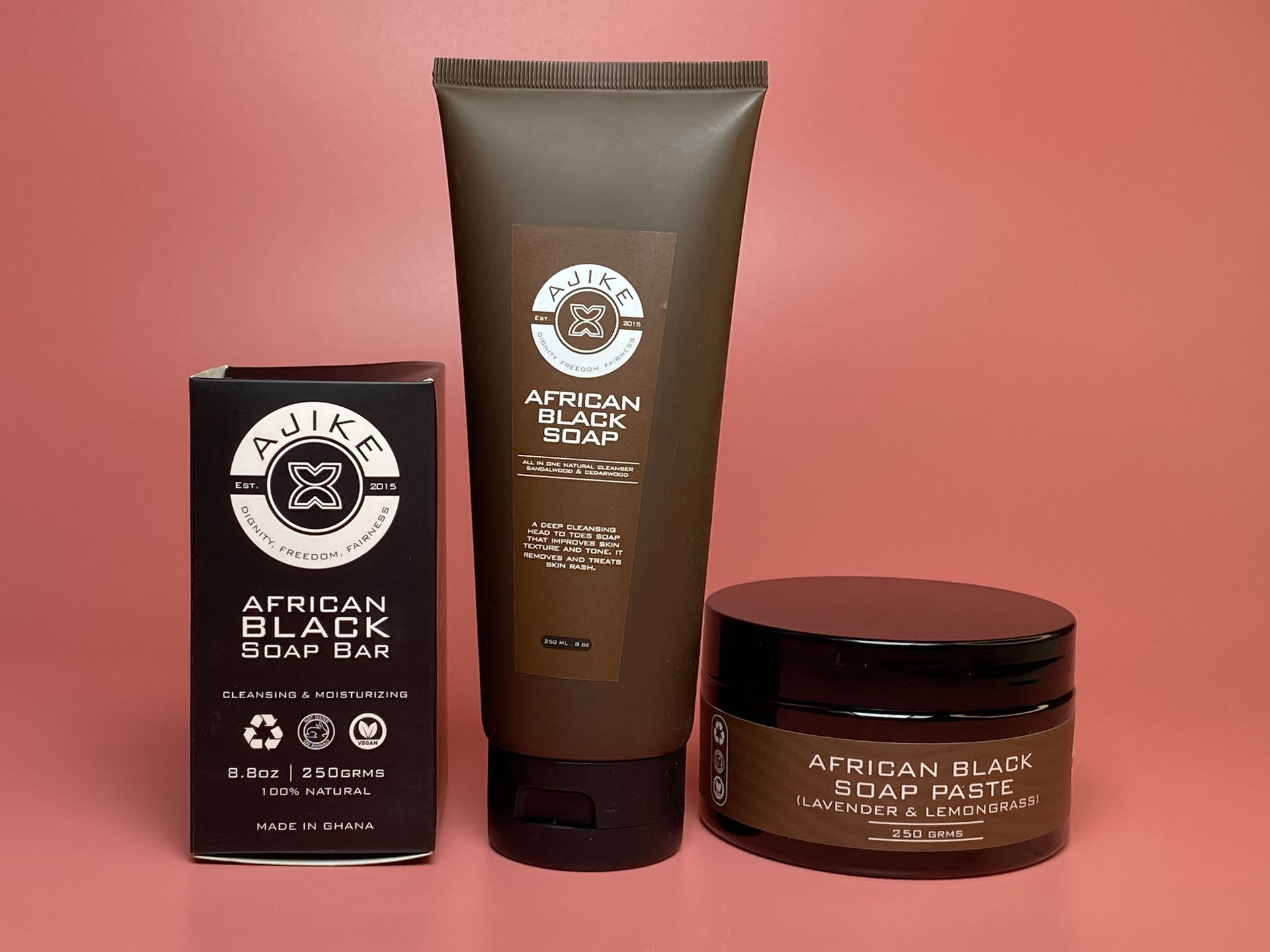
No Harsh Additives Means Cleaner Adjustment
One of the reasons Ajike African black soap produces a cleaner, more manageable adjustment phase than many alternatives is the absolute absence of unnecessary additives. No synthetic sulfates, no parabens, no silicones, no mineral oils, no artificial fragrances, no synthetic thickeners or stabilisers. When the formula is this clean, the skin's adjustment process has fewer variables it is responding to the plant-based cleansing action, not to a mixture of chemical triggers.
This also means that the purging, when it occurs, tends to be shorter and more predictable than the adjustment experienced when switching between two products that both contain complex synthetic formulations.
Handcrafted in Ghana Traditional Formula, Consistent Quality
Every bar of Ajike African black soap is handcrafted in small batches in Ghana using traditionally prepared cocoa pod ash, wild harvested shea butter, and carefully sourced plant oils. Small batch production means every batch is individually monitored for quality the saponification process, the ash preparation, the curing time.
This consistency matters for your skin. When you buy the second or third bar, you are getting the same formula, the same quality, the same experience. There are no batch-to-batch variations caused by switching suppliers or reformulating to reduce production costs.
Our Range Choose the Right Format for Your Skin
During the adjustment phase, the format you use can make a meaningful difference. Here is a guide to choosing the right Ajike African black soap format for your skin during this period:
Bar, Paste or Body Wash - Choose Your Match
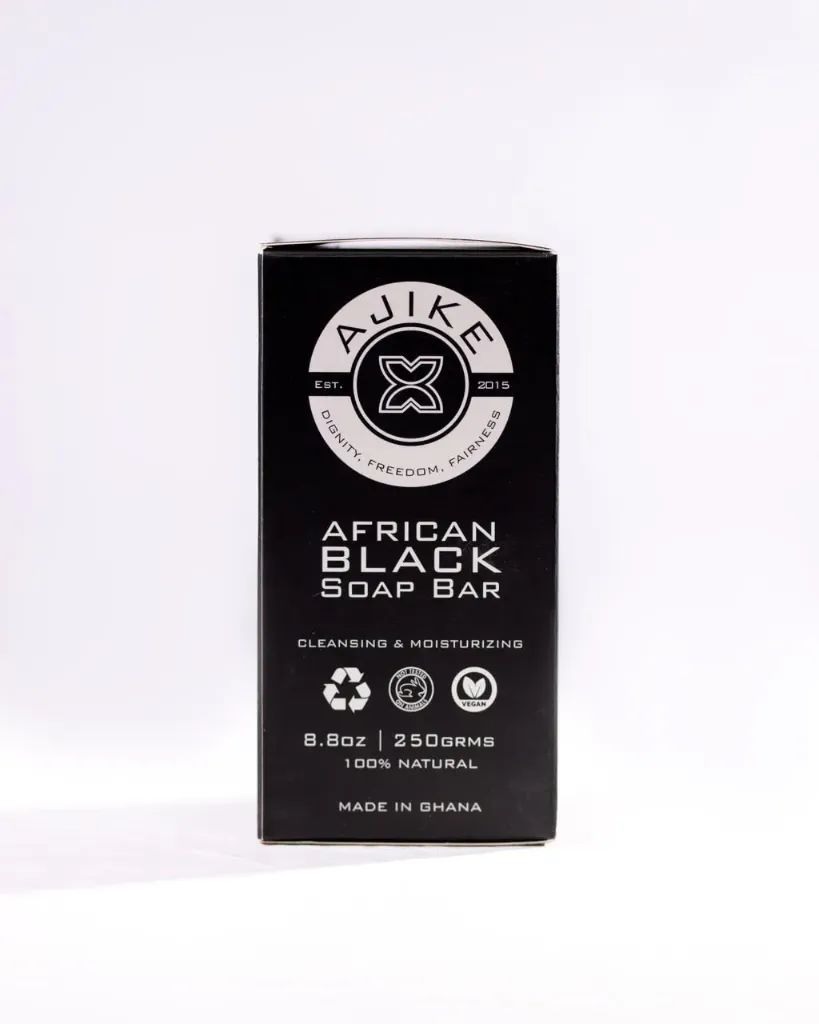
African Black Soap Bar
Most concentrated formula for oily and acne-prone skin.
View Product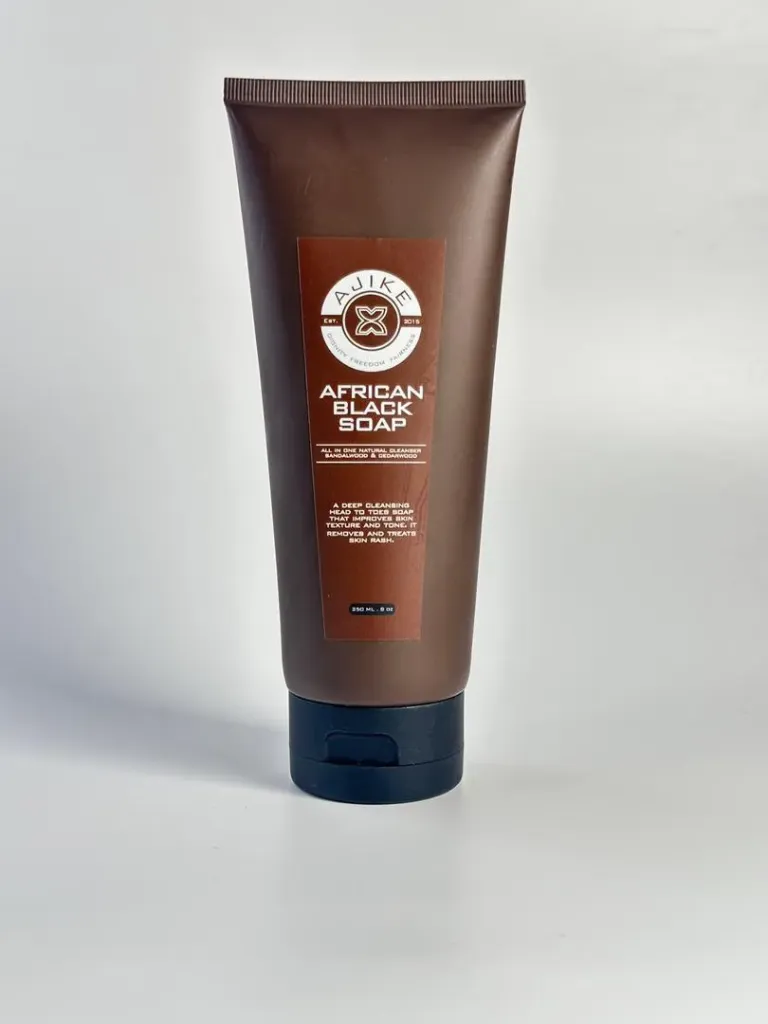
African Black Soap Paste Tube
Hygienic tube format for a gentler adjustment phase.
View Product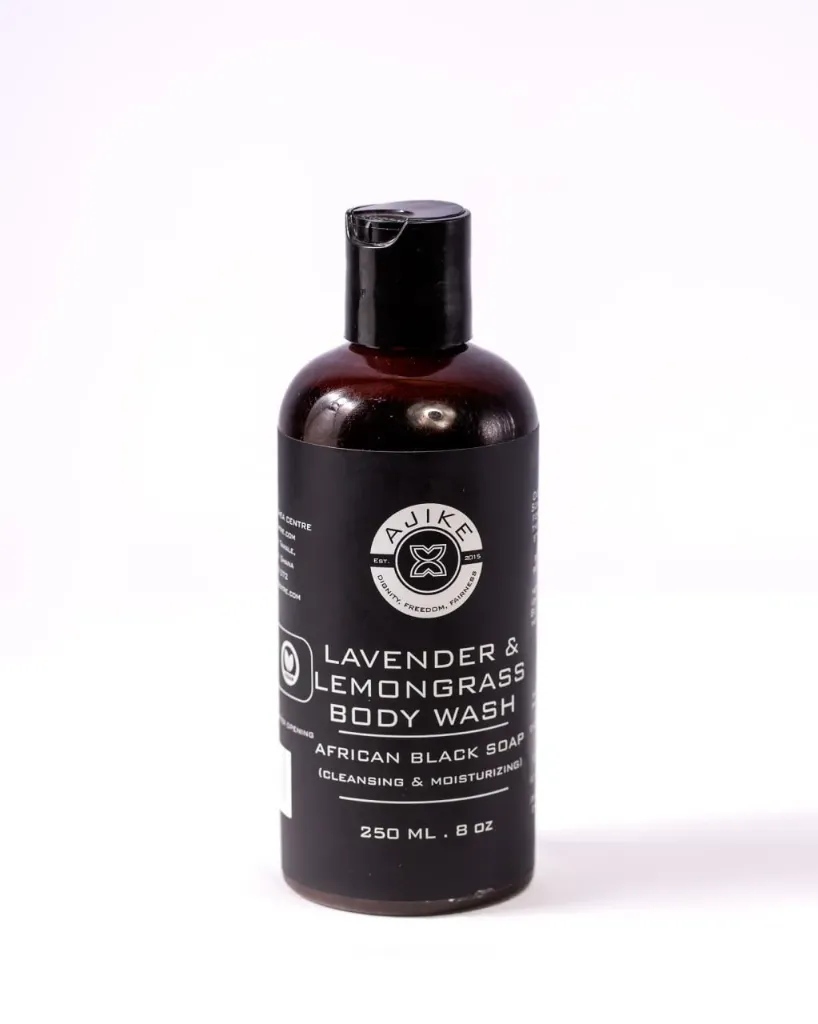
Lavender & Lemongrass Body Wash
Gentle liquid wash for sensitive skin and gradual use.
View ProductBar, Paste or Body Wash - Choose Your Match
African Black Soap Bar
Most concentrated formula for oily and acne-prone skin.
View Product
African Black Soap Paste Tube
Hygienic tube format for a gentler adjustment phase.
View Product
Lavender & Lemongrass Body Wash
Gentle liquid wash for sensitive skin and gradual use.
View ProductFrequently Asked Questions
Yes a temporary adjustment phase in the first 2 to 4 weeks is common and normal for many users, particularly those transitioning from synthetic cleansers. This is known as skin purging and represents the skin clearing out congestion that was already forming beneath the surface. It is not the soap creating new breakouts. Results may vary depending on skin type.
Genuine purging typically lasts 2 to 4 weeks. By week 3 or 4, you should begin to see a clear improvement fewer active spots, faster resolution of existing ones, and improved overall skin texture. If you are beyond 6 weeks with no improvement, discontinue use and reassess your full routine.
The key indicators are location (purging appears in your usual problem zones a reaction appears in new areas), duration (purging resolves within 4 weeks a reaction persists or worsens), and sensation (purging involves no burning or stinging a reaction may involve discomfort, redness, or widespread irritation). Discontinue use if irritation occurs.
Absolutely moisturising is non-negotiable at every stage of your African black soap routine, including and especially during the adjustment phase. Skipping moisturiser during purging dehydrates the skin, which triggers compensatory oil overproduction and worsens congestion. Apply a non-comedogenic moisturiser like baobab oil or baobab face cream to slightly damp skin within 60 seconds of cleansing.
We recommend keeping your routine simple during the first 4 weeks of use. Do not layer retinoids, AHAs, BHAs, or benzoyl peroxide alongside African black soap during the adjustment phase. These combinations can over-exfoliate the skin and intensify or prolong the adjustment. Once your skin has settled usually after week 4 you can gradually reintroduce any actives you want to include.
If you are experiencing dryness, ensure you are moisturising immediately on slightly damp skin after every single cleanse. Also consider reducing frequency to every other day and shortening contact time to under 30 seconds. For very dry skin types, pairing the soap with Ajike Raw Unrefined Shea Butter applied immediately after cleansing provides intensive barrier support.
Our latest content
Check out what's new in our company !